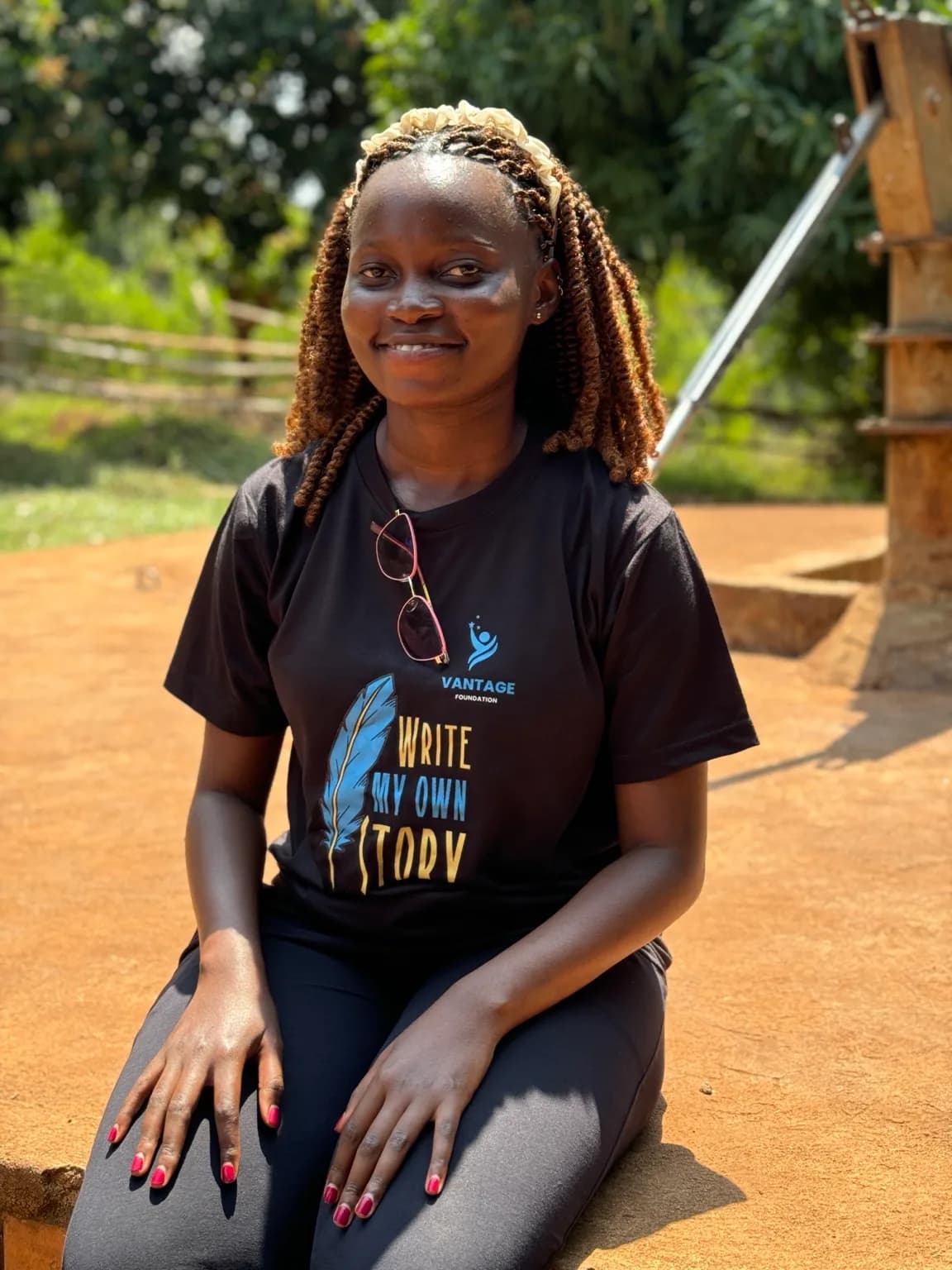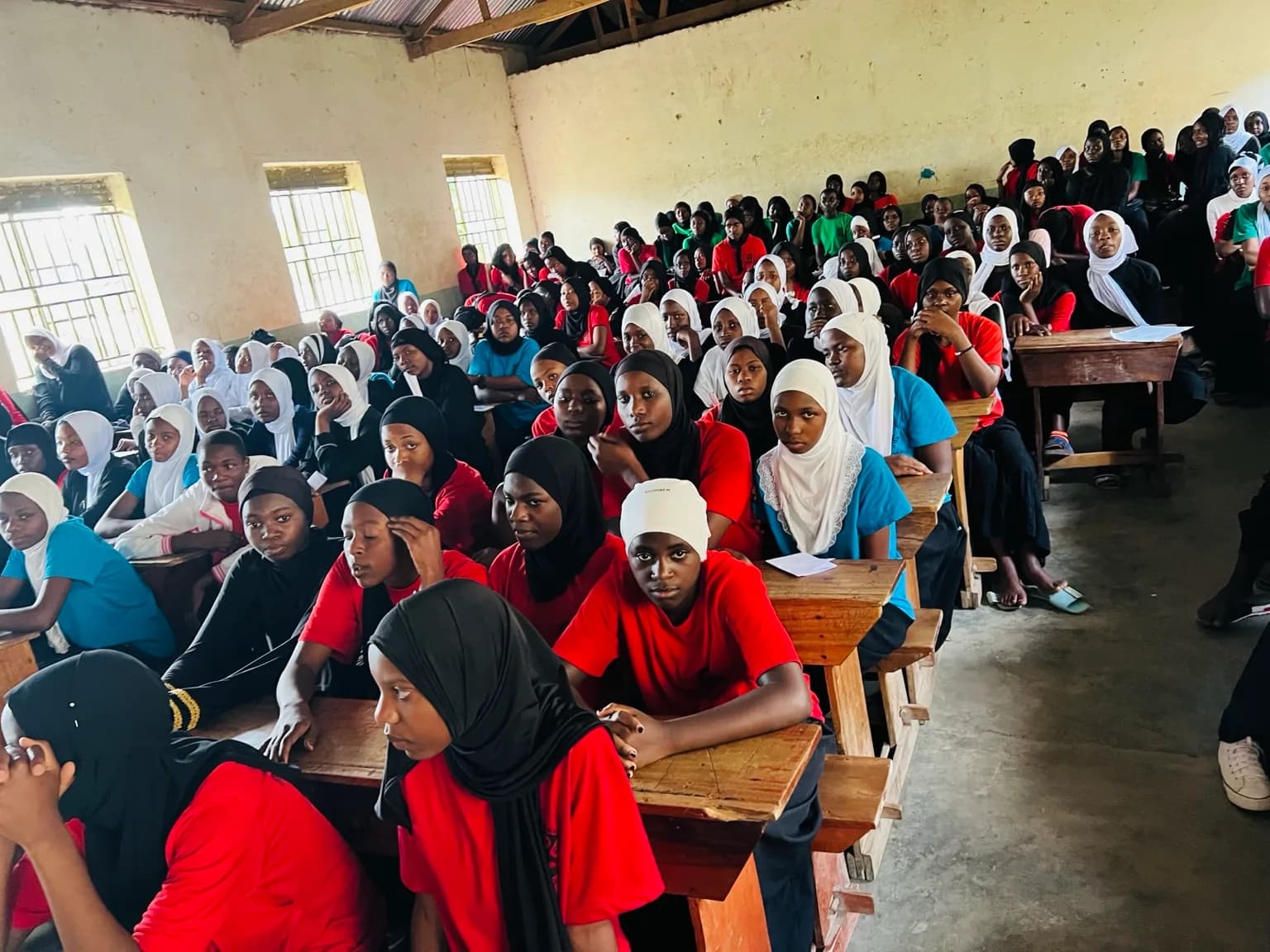
Uganda is a young country—and that may be one of the most important facts about its future.
The 2024 National Population and Housing Census recorded Uganda’s population at 45,905,417. Almost half of the population—22.75 million people—are below the age of 18. The census also counted approximately 10.77 million young people aged 18 to 30, representing about 23.5% of the population.
These are more than demographic statistics. They point to a fundamental opportunity: if young people thrive, Uganda has an extraordinary chance to thrive with them.
But potential does not automatically become opportunity.
Young people need environments where they can learn, connect with mentors, access services, develop ideas, build confidence and practise leadership. They need places where they are not simply discussed, but listened to. They need to be treated not only as beneficiaries, but also as participants, creators and leaders.
This is why youth spaces in Uganda matter.
Uganda’s youth opportunity is enormous
Uganda’s young population creates the possibility of a demographic dividend—the economic and social benefits that can emerge when a large young population is healthy, educated, skilled and productively engaged.
That dividend is not automatic. It requires deliberate investment in education and skills, employment and entrepreneurship, health and wellbeing, women and girls, innovation and technology, financial inclusion, and youth participation.
Youth spaces can contribute by bringing several forms of support together around the young person. A well-designed space can connect learning, mentorship, health information, digital access, entrepreneurship and community participation in one trusted environment.
Why action is urgent
Uganda’s young people are entering adulthood in an economy that cannot easily absorb everyone seeking meaningful work.
According to Uganda Bureau of Statistics data, 50.9% of people aged 18 to 30 were not in employment, education or training, representing approximately 5.25 million people. Among people aged 15 to 24, the proportion was 42.6%.
Youth unemployment among people aged 15 to 24 was 17.9%. Unemployment was higher among young women, at 21.0%, compared with 15.2% among young men.
The World Bank estimates that 600,000 to 700,000 young people enter Uganda’s labour market each year.
These figures make one thing clear: young people need more than encouragement. They need infrastructure for opportunity.
What is a youth space?
A youth space is more than a building. It is a safe, inclusive and empowering environment where young people can meet, learn, create, receive support and exercise leadership.
A strong youth space might provide:
- Leadership and life-skills development
- Career guidance and mentorship
- Entrepreneurship support and financial literacy
- Digital-skills training and access to computers
- Health information, referrals and psychosocial support
- Peer networks, creative activities and volunteer opportunities
- Support for youth-led initiatives
A room becomes a youth space when young people feel that they belong there, that their ideas matter and that they have opportunities to grow.
From unemployment to opportunity
The employment challenge facing Uganda cannot be solved through job advertisements alone. Practical youth spaces can help young people write CVs, prepare for interviews, build digital skills, develop business ideas, understand saving and create professional networks.
This transforms the space from a community centre into an opportunity hub.
Financial knowledge is also an important part of youth development. Through financial-literacy initiatives connected to KikumiKyo Academy, young people can develop practical knowledge about saving, financial planning, responsible borrowing, investment and entrepreneurship.
Leadership requires somewhere to practise
Young people are often told that they are tomorrow’s leaders. But leadership cannot begin tomorrow. It must be practised today.
Youth spaces give young people opportunities to organise activities, manage projects, chair discussions, identify community problems and develop solutions.
The question is not only, “How many young people attended?” We should also ask: how many led, made decisions, developed projects or became mentors?
That is the difference between basic participation and meaningful youth empowerment in Uganda.
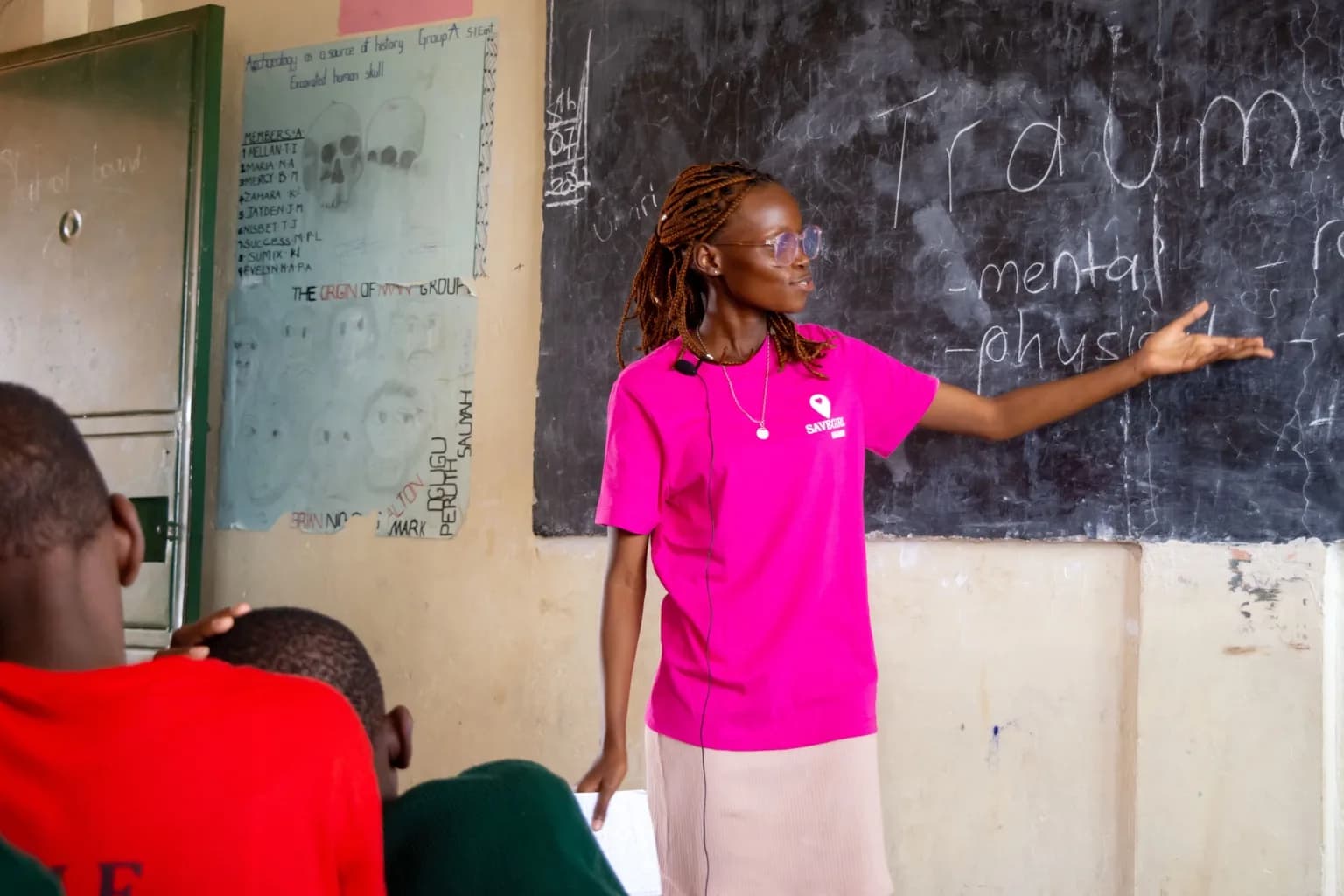
Young women need more than inclusion on paper
Young women do not always experience the same opportunities as young men. Creating a youth space does not automatically make it inclusive. Inclusion must be designed.
A space that genuinely works for young women should consider physical and emotional safety, harassment prevention, female mentors, leadership opportunities, confidentiality, accessible programme schedules, sexual and reproductive health information, economic empowerment and gender-sensitive safeguarding.
Most importantly, young women must not simply be present. They must have voice, influence and leadership.
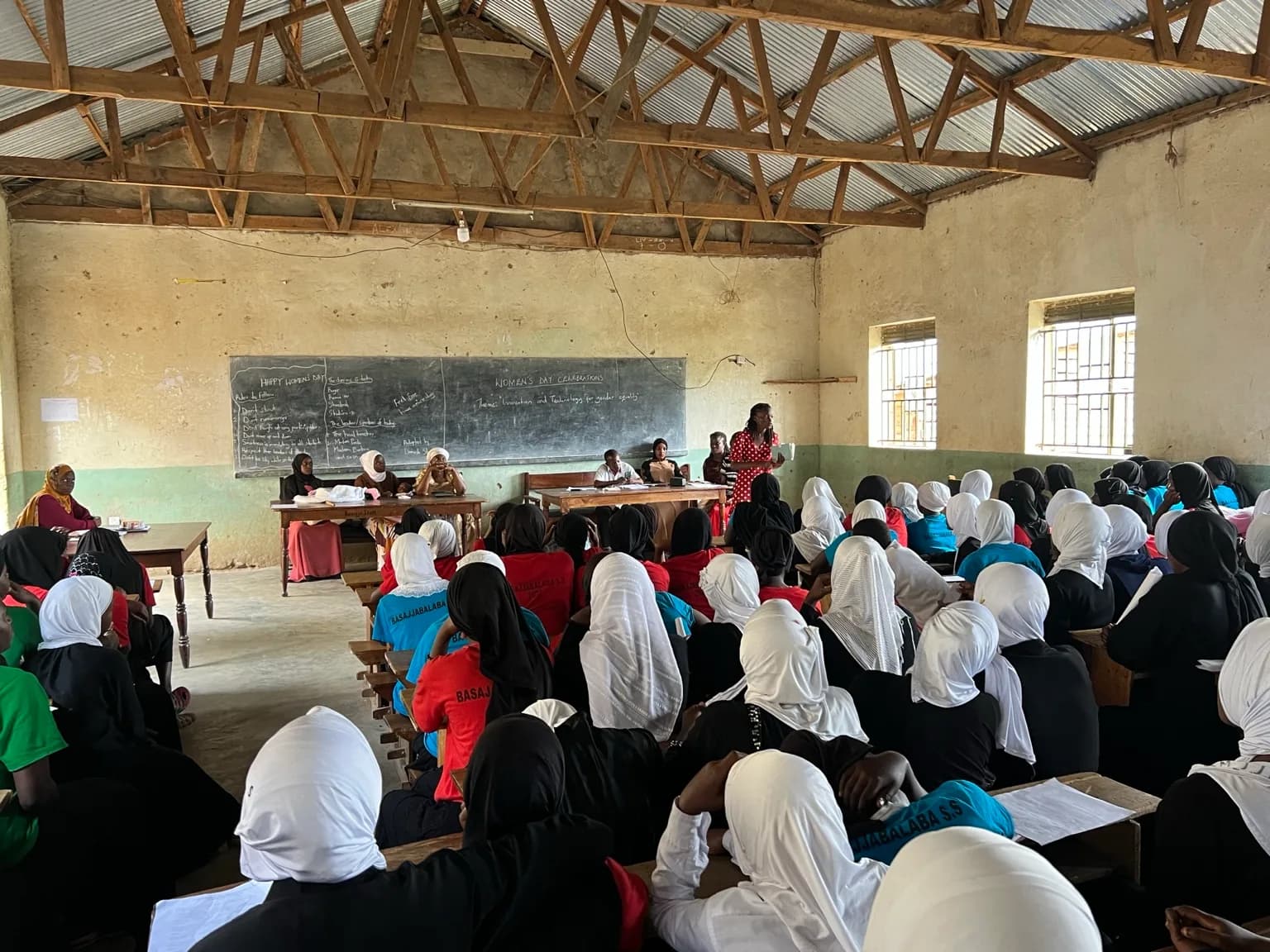
Health and opportunity are connected
UNICEF Uganda identifies poverty, HIV, early marriage, teenage pregnancy, gender-based violence and limited participation in secondary education among the challenges facing adolescents.
Youth spaces can become trusted entry points for health education and referrals, connecting young people to sexual and reproductive health services, mental-health support, HIV information, counselling and gender-based violence services.
At Vantage Foundation Uganda, this approach complements the work of Vantage Care, which focuses on improving access to health services and information through community-centred medical outreach.
Digital access is part of opportunity
Applications, training, business marketing, professional networking and financial services are increasingly digital. A youth space equipped with computers, internet connectivity and digital mentorship can therefore provide access to the modern economy.
Young people can use these spaces to learn digital productivity skills, explore online education, create professional profiles, apply for jobs and training, research business opportunities and build confidence using technology.
Youth spaces can turn ideas into initiatives
Uganda does not lack young people with ideas. What is often missing is the ecosystem around those ideas: mentorship, workspace, technology, project-management skills, networks, partnerships and funding.
Youth spaces can provide the bridge between “I have an idea” and “We are doing something about it.”
Youth-led solutions should be seen as a resource for communities—not merely as exercises for young people.
What should a successful youth space achieve?
Attendance matters, but it is only a starting point. Organisations should also ask whether young people are safer, whether young women are leading, whether vulnerable young people can participate, whether participants are gaining useful skills and whether youth-led projects are emerging.
Most importantly: Are young people leaving with more agency than when they arrived?

The Vantage Foundation Uganda perspective
At Vantage Foundation Uganda, our mission is to change the world one advantage at a time.
Access to a computer, a meeting with a mentor, health information, financial knowledge or a safe place to develop an idea can create lasting change. These advantages can multiply across families and communities.
That is why investing in youth spaces is ultimately an investment in communities.
Uganda’s future needs spaces where young people can thrive
Uganda has approximately 10.77 million people aged 18 to 30. More than 5.25 million young people aged 18 to 30 are estimated to be outside employment, education or training, while 600,000 to 700,000 young people enter the labour market each year.
Uganda does not lack young people with potential. What remains insufficient are the environments, resources, networks and opportunities that allow that potential to grow.
Youth spaces are not simply rooms. They are infrastructure for belonging, opportunity, wellbeing, leadership and innovation.
At Vantage Foundation Uganda, we believe that when young people are given the right advantages, they can do more than change their own lives.
They can change their communities—and, one advantage at a time, change the world.