Start here
If you only have 2 minutes
Seven decisions from the full guide, kept short for a tired reader.
- If you graduated in 2025 or 2026, do not spend this year applying for Chevening. Its rules require 2,800 hours of post-degree work; for the 2027/28 round, applicants who completed their undergraduate degree after October 2024 are ineligible.
- This week, begin two free certificates: ICH Good Clinical Practice (GCP) and DHIS2 Fundamentals.
- Submit MU-JHU's standing internship or volunteer form. Enquire with MUII-plus, UVRI, Mildmay and Reach Out Mbuya; none had a confirmed open 2026 intake when checked.
- Add MRC/UVRI & LSHTM to your weekly watch list. Five laboratory vacancies closed today at 5 p.m.; use their requirements to prepare for the next relevant call.
- Prepare for four funded routes that do not state a minimum work-experience requirement: Commonwealth Shared, Erasmus Mundus, Türkiye Scholarships and UGHE/Mastercard.
- Before considering any foreign degree, calculate the real cost: tuition + living costs + visa proof of funds + travel − guaranteed scholarship.
- Start a log of every paid and voluntary role: organisation, dates, hours per week and responsibilities. Those records will matter later.
Companion analysis: Healers in Crisis: Why Uganda Cannot Afford to Lose Its Young Doctors
On 30 July 2026, Uganda placed 2,417 medical interns in hospitals across the country for a year scheduled to begin on 3 August. The list said exactly where each of them would work. It did not say whether they would be paid.
Our position has not changed: interns should be paid. Supervised practice is still work, and Uganda's health system depends on it.
But policy arguments do not settle the electricity bill. For many health workers, another question arrives at three in the morning:
If the conventional pathway has stalled, what can I actually do now?
A delayed internship does not have to become a delayed life. When one road is blocked, learn the map.
This article is an answer—not a promise and not a pep talk. It is a practical map of medical research jobs in Uganda, non-clinical careers for doctors, funded study, free training and career ladders that Ugandan health professionals can pursue or start building toward.
How to use this guide
Swipe to compare
| Marker | Meaning |
|---|---|
| 🟢 Act now | The route was open, standing or closing when checked. Recheck before applying. |
| 🟡 Build toward it | The opportunity is worthwhile, but you are missing a stated requirement. |
| 🔵 Watch | The current call is closed, no vacancy was visible, or the next date has not been published. |
| 🔴 Not for now | You are currently ineligible, or the programme has ended. |
| ⚠️ Funding trap | The advertised price hides the money you must have to travel, live or secure a visa. |
Evidence labels are also kept visible:
- Verified — checked against current material from the funder, institution or responsible authority.
- Corroborated — supported by a credible secondary source where the primary source did not publish the detail.
- Unconfirmed — ask before relying on it.
Choose your path
Where do you want to go?
Start with the roadmap closest to your next realistic move. You can return to the deeper career analysis when you need it.
Research
Move from GCP and data skills into study teams and publications.
M&E / MEAL
Turn health knowledge into indicators, reporting and programme learning.
Clinical research / PV
Build trial-site experience toward coordination and drug safety work.
Global health
Use community work to build credible programme and scholarship evidence.
Epidemiology
Combine local health work, postgraduate study and field epidemiology.
Digital health
Pair clinical context with data tools, informatics and health technology.
1. Your next 30 days
If you do nothing else this month, do these eight things:
- Check eligibility before writing scholarship essays. Ten minutes can save two weeks.
- Start ICH GCP E6(R3) through The Global Health Network. It is free, certificated and appears in many Ugandan clinical-research adverts.
- Start DHIS2 Fundamentals through the DHIS2 Online Academy. It is free and certificated.
- Add five official Ugandan research-employer pages to a weekly calendar reminder: MRC/UVRI & LSHTM, IDI, MU-JHU, RHSP and IDRC Uganda. Vacancies can close quickly; the MRC/UVRI laboratory posts identified during this review closed before the final pass was completed.
- Register in the UN Volunteers Global Talent Pool. Registration is a prerequisite for UNV assignments.
- Email three institutions: MUII-plus at muiiplus2008@gmail.com, Mildmay at info@mildmay.or.ug and Reach Out Mbuya at reachout@reachoutmbuya.org. Ask about the current intake, duration, selection, fees and allowance. Do not describe these routes as open until they reply.
- Submit MU-JHU's standing internship or volunteer form. You do not need to wait for a salaried vacancy.
- Order certified transcripts, check your passport and start a work-experience log. Record paid and voluntary service with dates, weekly hours, responsibilities and a supervisor who can verify it.
If you have UGX 100,000 for your career this month
Spend it on:
- data and a reliable place with power and internet;
- certified documents and, if needed, passport costs;
- transport to one institution and one professional gathering;
- a small reserve for a specific future expense, such as an English test or courier fee.
Do not spend it on:
- scholarship agents or application consultants—the programmes in this guide accept direct, free applications;
- certificates for skills you can learn free with a certificate;
- an English test before you know which programmes and scores you need;
- applications for which you fail a stated eligibility rule;
- generic CV formatting services.
Your CV does not need decorative formatting. It needs evidence: a research credential, a data skill, a project, a placement or measurable work.
2. Three famous scholarships that may be wrong for your stage
Chevening, the Swedish Institute and DAAD EPOS are excellent programmes. For most fresh graduates, however, they are later-stage opportunities.
Swipe to compare
| Programme | The rule that matters | What to do |
|---|---|---|
| 🔴 Chevening | 2,800 hours of post-degree work; the 2027/28 round excludes applicants who completed their undergraduate degree after October 2024. Verified | If you graduated in 2025 or 2026, do not apply this cycle. Log your hours and build toward a later round. |
| 🔴 Swedish Institute (SISGP) | For Uganda in the 2026/27 cycle: 3,000 hours of documented work by February 2026, drawn from no more than three employers, plus demonstrated leadership. Verified | The round is closed. Build both experience and a leadership record that an employer or civil-society organisation can document. Recheck the next call because thresholds can change. |
| 🟡 DAAD EPOS | At least two years of professional experience. Verified | If you already have two years, check course-level 2027/28 deadlines. If not, build experience first. |
Chevening: check before you write
Chevening's 2027/28 application timeline opened on 4 August 2026 and closes on 6 October 2026 at 11:00 UTC. Verified
The hours can come from full-time work, part-time work, internships or voluntary service, including unpaid work, across as many as fifteen periods. Read the official work-experience rules. Verified Start recording them now. Reconstructing two years from memory is how good applications fail.
Swedish Institute: nationality is not the barrier
Uganda is an eligible country. In the 2026/27 call, the Swedish Institute scholarship covered full tuition, SEK 12,000 per month and a SEK 15,000 travel grant. Verified The barrier for a recent graduate is the experience-and-leadership requirement, not nationality or academic ability. That cycle is closed.
DAAD EPOS: one programme, many deadlines
DAAD EPOS provides €992 per month for graduates, plus insurance and a travel allowance. Verified There is no single deadline; each participating course sets its own. The current official listing publishes course-specific dates for the 2027/28 intake.
For a nurse, clinical officer, laboratory scientist or other professional who has worked since 2023, this is the programme in this section to check now.
These are not bad programmes. They are wrong-stage programmes.
A closed gate is information, not a verdict.
3. Four funded routes fresh graduates should prepare for
These four schemes do not state a work-experience requirement. None has a confirmed open call today, but all are worth preparing for now.
Which fully funded scholarships can a fresh Ugandan graduate pursue?
Fresh graduates can prepare for Commonwealth Shared Scholarships, Erasmus Mundus Joint Masters, Türkiye Scholarships and UGHE's Mastercard Foundation Scholars Program because their current rules do not state a minimum work-experience requirement. Eligibility still depends on academic, age, nationality, course and financial-need rules, and none had a confirmed open call on 14 August 2026.
🔵 Commonwealth Shared Scholarships — United Kingdom
Best for: graduates with a strong academic record and a clear development-impact case.
What it covers: full tuition, return airfare, a monthly stipend of £1,452—or £1,781 in the London area—plus named study and family-related allowances where applicable. Verified
What it requires: normally an upper second-class degree, or a lower second plus a relevant postgraduate qualification. Work experience appears on the form but is not stated as an eligibility bar. Verified
Watch out: you must not have studied or worked for one academic year or more in a high-income country. Verified
Status: the 2026/27 round is closed. The next dates are not published. Watch
Do now: shortlist three approved UK master's courses and draft your development-impact statement. LSHTM and Queen's University Belfast have offered relevant public-health routes under the scheme.
Also relevant to: nursing, pharmacy, laboratory sciences, public health and allied health.
🔵 Erasmus Mundus Joint Masters — European Union
Best for: a fresh graduate seeking the strongest international route without a work-experience wall.
What it covers: scholarship holders can receive €1,400 per month for up to 24 months; the grant is intended to cover travel, visa, installation and subsistence costs, while projects cannot charge scholarship holders tuition or other mandatory participation costs. Verified
What it requires: a relevant first degree. You study at two or more European universities and receive a joint or multiple degree.
Relevant programmes have included public health, disaster health, infectious diseases and One Health. Use the official catalogue, then check the consortium's own admissions page: the consortium—not a general scholarship blog—sets the student's deadline and degree requirements.
Status: no single 2027 student deadline exists. Monitor individual consortium pages from late 2026, but treat every date as unconfirmed until that consortium publishes it. Watch
In the previous cycle, Europubhealth+ closed scholarship applications on 8 January and self-funded applications on 25 March. Treat that as a preparation cue, not a 2027 deadline.
Do now: check language-test requirements early. Europubhealth+ also counts volunteering, placements and summer work as experience, so describe community outreach and unpaid service properly.
Also relevant to: nursing, pharmacy, laboratory sciences, public health and veterinary applicants on One Health tracks.
🔵 Türkiye Scholarships — Republic of Türkiye
Best for: a younger applicant who wants one application portal and no separate university applications.
What it covers: university placement, tuition, accommodation, health insurance, a one-year Turkish-language course, one flight at the start and one after graduation, and a monthly master's stipend of 6,500 TL. Verified
What it requires: master's applicants must be under 30. The programme is open internationally and states no minimum work-experience requirement. Check the current academic threshold and eligible programme list when the next call opens. VERIFIED / THRESHOLD TO RECHECK
Status: the official programme says applications are normally accepted from 10 January to 20 February each year. Recheck when the 2027 call is published. Watch
🔵 UGHE / Mastercard Foundation Scholars Program — Rwanda
If you read only one scholarship entry, read this one.
The broader UGHE programme supports two relevant degrees:
- MSc in Global Health Delivery;
- MSc in Health Professions Education.
What it covers: tuition and fees, housing, meals, a monthly living allowance, an economy return flight and access to an entrepreneurial fund. UGHE describes it as a full-cost scholarship, and the named components meet that test. Verified
What the 2026/27 MGHD call required: citizenship or recognised refugee status in an African country, residence in Africa, a completed undergraduate degree, age 35 or below at admission and no existing master's degree. It excluded applicants holding dual citizenship, asylum, refugee or permanent-resident status in a country outside Africa. No minimum work-experience requirement was stated. Priority groups included young women, refugees, displaced people and people with disabilities. Verified Recheck the next MGHD or MHPE call because programme-specific rules may differ.
Status: the 2026/27 MGHD call closed on 18 January 2026. No next date is published. Watch
Why it stands out:
- no high-income-country visa;
- no proof-of-funds barrier;
- no work-experience wall;
- no foreign-exchange exposure for living costs;
- training designed around African health systems.
International does not have to mean leaving Africa.
4. Research jobs, internships and entry-level health opportunities in Uganda
Most career advice for African graduates points outward. That reflects weak research, not a lack of opportunity at home.
🔵 Closed today: MRC/UVRI & LSHTM laboratory posts
The MRC/UVRI & LSHTM Uganda Research Unit listed three Senior Laboratory Technologist posts and two Laboratory Technologist posts, all with a 14 August 2026 at 5 p.m. deadline. That deadline had passed by the final 23:08 EAT check. VERIFIED CLOSED. The page says applicants should never pay a fee.
Do not submit unless the official page explicitly reopens the roles. Add the Unit to your watch list and use the role requirements to identify your next skill gap.
🟢 Standing route: MU-JHU, Kampala
MU-JHU's opportunities page exposes separate internship and volunteer application routes even when its job portal shows no salaried vacancy. Verified Submit one route that fits; do not submit everything indiscriminately. Paid status, intake capacity and response time are not stated, so ask before budgeting around a placement.
🟡 Enquire now; do not assume the intake is open
MUII-plus, Entebbe. Its internship page says school leavers, undergraduates and new graduates may apply; placements start at three months and may extend to six. However, the visible timetable and outcome figures are dated. A 2026 intake and any allowance could not be confirmed. Email muiiplus2008@gmail.com or call +256 414 320631. PROGRAMME VERIFIED; CURRENT INTAKE UNCONFIRMED.
Uganda Virus Research Institute, Entebbe. UVRI hosts a standing internship form, but the downloadable form carries a 2011 version date. Its careers page showed no vacancy when checked. Submit only after confirming the current process, timing and financial terms. FORM VERIFIED; CURRENT INTAKE UNCONFIRMED.
Mildmay Uganda, Lweza. Mildmay's current involvement information mentions work placements, traineeships and internships. It does not publish a 2026 intake, fee or allowance. Ask info@mildmay.or.ug or call +256 312 210 200 before sending sensitive documents or paying anything. ROUTE VERIFIED; TERMS UNCONFIRMED.
Reach Out Mbuya, Kampala. Its current website says the organisation regularly receives internship students, but no live intake or application procedure was visible. Ask reachout@reachoutmbuya.org or call +256 754 222 630 / +256 312 165 250. ROUTE VERIFIED; CURRENT INTAKE UNCONFIRMED.
🔵 Watch these official career pages
- Rakai Health Sciences Program — no open job was displayed when checked; the page accepts spontaneous applications.
- Infectious Diseases Research Collaboration — official recruitment link available, but no suitable open role could be confirmed.
- Infectious Diseases Institute — August vacancies visible during research had already closed; the portal also directs internship and volunteer seekers to its HR application route.
- TASO — visible clinical vacancies had June 2026 deadlines and were closed.
- Baylor Uganda — the public internship form surfaced in search was for June–August 2020, not 2026. Use only the live careers portal.
- Amref Health Africa — use the official central portal for full-time, temporary and volunteer roles; no specific Uganda vacancy was verified for this guide.
These institutions remain credible targets. “Watch” means there was no confirmed, suitable opening on 14 August—not that the organisation never recruits.
The UNIPH route—and the step most people miss
The Uganda Public Health Fellowship Programme, run through the Uganda National Institute of Public Health with the Ministry of Health, Makerere School of Public Health and the US CDC, includes several specialised tracks. Verified
The Advanced Field Epidemiology track is not a fresh-graduate route. Its 2027/28 call offered ten places and required a relevant master's degree plus three to seven years of work experience; it closed on 31 July 2026. The Laboratory Leadership Programme required a relevant master's, a health-laboratory bachelor's, three years of work and at least one year in leadership; it also closed on 31 July. Verified
Frontline FETP has a different barrier: you must already hold an eligible district or health sub-district position. Roles include District Health Officer, District Biostatistician, surveillance and laboratory focal persons, District Veterinary Officer, Health Sub-District In-Charge, environmental health roles and responsibility for district or health-sub-district data. Proof of current assignment is required. The latest call closed on 24 April 2026. Verified
That changes the strategy:
Frontline FETP is not the first step. A district data role is the first step.
Learn Excel and DHIS2, enter a district office or implementing partner in a data capacity, then apply for Frontline FETP. Sometimes the door is not locked. It is on the next floor.
5. Africa is not the consolation prize
🔵 African Union Youth Volunteer Corps
The AU-YVC offers 12-month deployments inside the African Union system.
What it provides: a monthly living stipend, a separation allowance after successful completion, an AU Service Passport and an economy return ticket. Verified The stipend amount was not published in the call. Unconfirmed
What it requires: age 18–35, remaining under 35 through service, a post-secondary qualification—TVET, bachelor's or master's—and relevant professional or volunteer experience. Verified The call does not state a minimum number of years.
The 13th cohort call ran from 26 March to 26 April 2026. Watch for a possible 14th-cohort call around March 2027, but do not treat that period as confirmed.
🔵 APHRC internship, Nairobi—hybrid
The African Population and Health Research Center's 2026 internship ran for three to six months, with a May start and a hybrid work model.
Eligible applicants are nationals of sub-Saharan African countries who completed a bachelor's within the previous six months and/or are pursuing or completing a relevant master's. Verified The 2026 deadline was 13 April.
Watch carefully: the six-month recency rule makes timing important. If you graduate in 2026, the 2027 call may be your window. Allowance details could not be confirmed. Unconfirmed
The 2026 call accepted email applications. Do not reuse that address or subject line without checking the next official call.
🔵 KEMRI-Wellcome / IDeAL, Kilifi
The Initiative to Develop African Research Leaders offers a structured ladder that has included:
- a 10-month postgraduate-diploma studentship with stipend, medical insurance, tuition, academic fees and research costs;
- fully funded MSc studentships, including bioinformatics;
- PhD, postdoctoral, medical-elective, research-attachment and science-communication opportunities.
Verified The 2026 bioinformatics studentship offered seven fully funded places and closed on 24 April; the careers portal showed no open job when rechecked.
Eligibility for non-Kenyan Africans varies by call. Do not assume a regional programme automatically accepts every nationality. UNCONFIRMED at scheme level.
KEMRI-Wellcome jobs · ideal_info@kemri-wellcome.org
🔵 Makerere / Mastercard Foundation master's scholarships
Thirteen master's scholarships were offered for 2026/27. The round required an undergraduate degree completed in Africa, demonstrated financial need, leadership or community service, and age 35 or below—40 for refugees, internally displaced people and applicants with disabilities. At least 70% of awards were designated for young women. Applicants had to apply for Makerere admission first. Verified The deadline was 5 June 2026.
Watch for a possible March–June 2027 cycle. This route carries no visa, proof-of-funds, currency or international-relocation burden.
🔵 ITM Antwerp / DGD
The Institute of Tropical Medicine offers relevant master's programmes in public health and tropical medicine. Uganda is on Belgium's DGD priority-country list. Verified
Funding can cover tuition, insurance and living costs in full or in part. Applicants must be citizens and residents of a low- or middle-income country, without second citizenship or employment in a high-income country, and must be at an early- or mid-career stage. Verified
The procedural trap: scholarship consideration happens through the course-application process. Follow the instructions inside the specific programme; do not assume funding can be added later. Verified
Exact work-experience and age thresholds, plus 2027 dates, remain Unconfirmed. Email the course secretariat before planning around this route.
🔵 VLIR-UOS ICP Connect, Belgium
VLIR-UOS scholarships can cover tuition, travel, insurance and living costs for selected programmes at Flemish universities. Uganda appears in current ICP Connect programme documentation, but applicants must recheck the scholarship-country list and the exact participating master's when the student call opens. VERIFIED AT PROGRAMME LEVEL; COURSE ELIGIBILITY TO RECHECK.
The 2026/27 deadline was 28 February 2026. Watch for a comparable period in 2027, but wait for the official call.
They trained you here. Do not assume the answer exists only somewhere else.
6. Do not let “cheap tuition” mislead you
Is Austria really cheap for international students?
Austria can have low public-university tuition, but that does not make the move cheap. In 2026, a student aged 24 or older generally had to prove €15,700.68 for 12 months of maintenance, plus health insurance and extra funds for higher rent. Tuition, travel and the €218 permit fee are additional.
Somewhere online, a post says:
“Study in Austria for €726 per semester.”
That figure is real. It is also incomplete.
Austria's official study guidance lists €726.72 per semester for many third-country students at public universities—about €1,453 a year—plus the students' union fee. Individual institutions and exemptions vary. Verified
But a student residence permit also requires proof that you can support yourself for 12 months. For 2026, the published figures included:
Swipe to compare
| Requirement | Amount |
|---|---|
| Monthly funds, applicant under 24 | €722.58 |
| Monthly funds, applicant 24 or older | €1,308.39 |
| Period to prove | 12 months |
| Extra funds if rent exceeds | €386.43/month |
| Student health insurance, if eligible for that scheme | €78.84/month |
| Residence-permit application fee | €218 |
For an applicant aged 24 or older, the official 2026 residence-permit guidance therefore sets a base 12-month maintenance amount of €15,700.68. Health insurance, any additional amount for rent above the threshold, tuition, travel and the permit fee sit outside that base. Convert it at the exchange rate on the day you budget; do not rely on an old shilling estimate.
Indicative annual tuition: €1,453. Base maintenance proof for an applicant aged 24 or older: €15,700.68.
The tuition was never the main barrier.
The same principle applies anywhere that advertises low tuition in a high-cost city: the visa and living-cost rules decide whether the course is genuinely affordable.
If the gap is not zero—or close enough that you can genuinely cover it—the programme is not affordable. A scholarship you may win is not guaranteed money you can budget against.
Without family capital, four routes are financially coherent:
- A scholarship that explicitly covers tuition, living costs and travel.
- A full-cost scholarship inside Africa, such as UGHE/Mastercard or Makerere/Mastercard.
- Low tuition combined with an official, confirmed support award. Regional or university aid must be checked for the exact year, region and applicant category.
- Study at home while earning.
Anything else risks becoming a plan that fails at the embassy.
7. Build skills that change your CV
First, retire one outdated piece of advice
OpenWHO no longer issues certificates. After its 2025 redesign, it stopped requiring registration and made old learner profiles inaccessible. Verified
The material remains useful. Learn there—but do not plan to list an OpenWHO certificate.
Know what you are getting
Free, with certificates
- DHIS2 Online Academy: free, self-paced courses with certificates. Start with the introduction or Fundamentals course. DHIS2 says national health authorities in more than 70 countries use the platform. Verified
- The Global Health Network ICH GCP E6(R3): eight modules, about three hours in total, with a certificate after a score of 80% or higher. The course reflects the final ICH E6(R3) guideline adopted in January 2025. Verified
- NIH Good Clinical Practice: useful for targeting US-funded studies.
- UNICEF Agora: offers a large catalogue, but certificate availability varies by activity. Check the specific course before investing time.
Free learning, no certificate
- OpenWHO: useful content, but no learner certificate.
Free to audit, certificate usually paid
- Coursera and edX: lectures may be accessible without charge, while assessment and certification remain paid.
Financial aid available
- Coursera Financial Aid: availability and coverage vary by course. Read the current terms on the exact course page before assuming the certificate will be free.
The skill ladder
First eight weeks—complete all four
- ICH GCP E6(R3)
- DHIS2 Fundamentals
- Advanced Excel: pivot tables, lookups, data cleaning and charting
- KoboToolbox: build and deploy one real form
Months three to eight—choose one track
- Research: R
- NGO / M&E: Power BI plus logframes, indicators and MEAL plans
- Health technology: Python plus SQL
Choose one and go deep. A person who can genuinely use one tool is more employable than someone who has watched introductions to three.
Add later, when a real opportunity requires it
REDCap, QGIS, systematic-review methods and PRISMA, scientific writing, grant writing, health economics, implementation research or project management.
The rule that makes a skill count
A certificate is not evidence. A finished piece of work is evidence.
Clean a permitted dataset. Build a Kobo form for a real survey. Create a dashboard from authorised data. Produce something a hiring manager can open.
A Vantage principle
The white coat
is not a prison uniform.
8. Choose a career ladder
You do not need to choose your whole life. You need to choose the next useful rung.
What can you do with an MBChB besides clinical practice?
An MBChB can lead to clinical research, epidemiology, public health, monitoring and evaluation, digital health, health informatics, pharmacovigilance, regulatory affairs, medical writing, health policy, programme management and health-tech product work. Most routes still require evidence beyond the degree: a practical skill, project, placement, publication or relevant entry-level role.
Research
Can a doctor work in research without a master's degree?
Yes. Ugandan research organisations recruit entry-level staff into roles such as Research Assistant, Study Clinician, Data Officer, Field Officer and Study Coordinator. A master's can help later, but it is not universal at entry level. GCP, data skills, careful documentation and evidence of research interest can matter first.
Research is one of the most realistic immediate pivots for an MBChB graduate. It can hire without a master's, pay while you learn and build toward funded degrees and international fellowships.
You already bring clinical judgement, patient communication, consent literacy and knowledge of the health system. On paper, you may still need GCP, a data tool, a publication and an institutional affiliation. All four are achievable within a year.
Months 0–2: become legible
Complete GCP and a research-ethics or human-subjects course.
Months 1–4: learn one data tool
For research, choose R. Learn to import, clean, describe and analyse data, then produce a publication-quality figure. Add REDCap when a study requires it.
Months 2–6: enter an institution
Apply for roles with these exact titles:
Research Assistant · Research Officer · Study Coordinator · Clinical Research Coordinator · Data Assistant · Data Officer · Data Clerk · Study Nurse · Study Clinician · Research Clinician · Field Officer · Field Supervisor · Community Mobiliser · Programme Assistant
Search institutional sites as well as Ugandan job boards. Posts appear irregularly and close quickly.
A Research Assistant may earn less than a doctor expects. That is not automatically a demotion. It can be the first paid line on a research CV.
Months 4–12: work toward a publication
- write a case report with a supervising consultant;
- conduct a secondary analysis of an existing, authorised dataset;
- complete a systematic or scoping review using PRISMA;
- earn co-authorship by contributing serious data cleaning or analysis to a colleague's paper.
The last route is not cheating. It is apprenticeship.
With a publication, supervisor reference and institutional affiliation, you become more competitive for Commonwealth, Erasmus Mundus and consortium-funded African MSc or PhD opportunities.
Research is medicine at a different scale. The ward saves the patient in front of you. The paper can change what happens to the next ten thousand.
Monitoring, evaluation and learning
Can an MBChB graduate work in monitoring and evaluation?
Yes. An MBChB can meet the health-degree requirement for many M&E roles, but it does not replace practical experience. A realistic entry route is Data, Programme or M&E Assistant, supported by Excel, KoboToolbox, DHIS2, indicator tracking and reporting skills; progression to M&E Officer often follows documented field experience.
An MBChB often satisfies the degree requirement for M&E roles. It does not replace the experience most employers request.
The real ladder is:
Health degree → Data/Research/Programme Assistant → M&E Assistant → M&E Officer → MEAL Specialist or Manager
Swipe to compare
| Rung | What helps you enter | Rough timeline |
|---|---|---|
| Data / Research / Programme Assistant | Excel, KoboToolbox, DHIS2, GCP, fieldwork availability | 0–12 months |
| M&E Assistant | Indicator tracking, data-quality checks, routine reporting | 12–24 months |
| M&E Officer | Logframes, indicator design, MEAL plans, dashboards, donor reporting | 2–3 years |
| MEAL Specialist / Manager | Evaluation design, supervision, budgets, donor relationships | 4–5 years |
Assistant roles often hire for practical skills and availability. That is a gap a new graduate can close.
A district-level M&E or data role can also make you eligible for Frontline FETP. MEAL skills travel well: indicators and logframes work in Kampala, Nairobi, Amman and Geneva.
Digital health
Digital health is often over-promised. Learning Python alone does not produce a job.
Your real advantage is clinical context: a programmer may understand the model, while a clinician understands what happens when it is wrong. A missing blood-pressure value at 3 a.m. may mean a patient was being resuscitated—not that someone forgot the field.
Build in this order:
- Months 0–6: DHIS2, advanced Excel, KoboToolbox or ODK.
- Months 6–18: Power BI or another dashboard tool, then R or SQL and data-quality methods.
- Years 2–3: formal training in health informatics, digital health or health-data science, ideally through a funded route.
- Year 3 onward: advanced analytics or AI-health work.
Roles become reachable in roughly this order:
Swipe to compare
| Role | When it may become reachable |
|---|---|
| Health Data Assistant / Data Clerk | Now, with Excel and DHIS2 |
| Health Information / HMIS Officer | 6–18 months |
| Health Data Analyst | 1–2 years |
| Digital Health Project Officer | 1–2 years |
| Clinical Informatics Officer | 2–3 years |
| Health-tech clinical or product specialist | 2–3 years |
| AI-health Research Assistant | 2–3 years, or sooner with a strong portfolio |
Always check whether a programme accepts a medical degree; some data-science degrees require prior quantitative coursework.
Pharmacovigilance and clinical research
This route is open to medical, pharmacy, nursing and life-science graduates, and it has a clear sequence.
Step 1: GCP—about one week
Complete ICH E6(R3). It is a common requirement.
Step 2: work at a Ugandan trial site—aim for two years
Target IDI, MU-JHU, MRC/UVRI & LSHTM, Rakai, UVRI, IDRC and Baylor Uganda. Search for Research Assistant, Study Coordinator, Clinical Research Coordinator, Study Clinician and Study Nurse.
Two years of trial-site experience is the currency the next level accepts.
Step 3: choose a branch
- Pharmacovigilance / Drug Safety Associate: a strong target for medical, pharmacy, nursing and life-science graduates. Build adverse-event assessment, medical terminology, regulatory-writing and database skills before paying for a credential.
- Clinical Research Associate: possible later, but many posts expect trial-site or monitoring experience first.
- Regulatory Affairs: a growing path through regulators and industry.
- Medical Writing: portfolio-led. Build samples by helping your research unit produce manuscripts and regulatory documents.
- Medical Affairs / Medical Science Liaison: well paid but not entry level. Aim for it after developing clinical experience and therapeutic-area depth.
Step 4: use experience as an international bridge
The WHO/TDR Clinical Research Leadership programme has offered six-to-twelve-month placements followed by supported reintegration. The latest call required an eligible postgraduate qualification and at least 24 months of employment at a registered clinical-research institution in a low- or middle-income country. Exact degree, recency and employer rules are detailed, so read the next call rather than relying on the summary here. Verified
That is why the local trial-site post matters.
Public health leadership while staying in Uganda
Makerere's 2026/27 graduate admissions advert listed the MPH by Distance Education at UGX 5,395,000 per year for Ugandan students. Verified Budget separately for university fees, a suitable device, internet, travel, fieldwork and dissertation costs; the programme pages reviewed did not provide one reliable all-in total.
That is real money. It is also far below a self-funded UK master's, requires no visa or proof of funds and can be completed while working.
After three years, a working student could hold:
- the master's required for UNIPH's Advanced FETP, Health Informatics and Laboratory Leadership routes;
- the experience needed for Chevening, SISGP and DAAD EPOS;
- a publication or two and stronger professional references;
- a specific, local development-impact story.
Sometimes staying is not stagnation. It is positioning.
Six realistic routes
9. Pick the roadmap that fits you
These timelines are estimates, not guarantees.
A. Research career
- 1MBChB
- 2Research Assistant
- 3publication
- 4funded MSc
- 5research career
- 0–3 months: GCP, R basics, applications to MUII-plus, UVRI, MU-JHU and Research/Data Assistant roles.
- 3–12 months: enter a research institution, learn REDCap and begin a case report or secondary analysis.
- 1–2 years: secure a publication and supervisor reference; apply for funded master's routes.
- 3–5 years: complete the MSc, pursue a PhD studentship or progress to Research Officer or Study Coordinator.
B. NGO and M&E
- 1Health degree
- 2DHIS2/Kobo/Excel
- 3Data Assistant
- 4M&E
- 5international NGO
- 0–3 months: DHIS2, advanced Excel and one working Kobo form.
- 3–12 months: Data, Programme or M&E Assistant role; learn indicators and build a dashboard.
- 1–2 years: M&E Officer or Frontline FETP if you hold a qualifying district data role.
- 3–5 years: MEAL Specialist, or a funded MPH leading toward INGO or UN advisory work.
C. Clinical research and pharmacovigilance
- 1MBChB
- 2GCP
- 3trial-site post
- 4clinical research coordination
- 5PV/CRA
- 0–3 months: GCP, research ethics and trial-site applications.
- 3–12 months: learn protocols, consent, source documentation, REDCap and monitoring visits on the job.
- 1–2 years: progress toward Clinical Research Coordinator; consider a PV credential.
- 3–5 years: target WHO/TDR, Pharmacovigilance Associate or CRA roles.
D. Global health through community work
- 1Health degree
- 2community/NGO work
- 3Commonwealth or Erasmus
- 4global health
- 0–3 months: take paid or voluntary community, outreach or district work. Document the population, your role and outcomes.
- 3–12 months: turn the work into a specific development-impact story.
- 1–2 years: apply to multiple funded routes, including Commonwealth Shared and Erasmus Mundus.
- 3–5 years: move into programme management, policy or health systems work.
E. Epidemiology and leadership at home
- 1Health degree
- 2local job + Makerere MPH
- 3UNIPH/FETP
- 4public-health leadership
- 0–3 months: secure a health-sector post and complete DHIS2.
- 3–12 months: consider the distance MPH; apply for Frontline FETP if your role qualifies.
- 1–3 years: continue the degree, build experience and publish if possible.
- 3–5 years: pursue Advanced FETP, senior public-health roles or experience-gated scholarships.
F. Digital health and data
- 1Health degree
- 2digital tools
- 3health-data role
- 4funded data master's
- 5health tech/AI
- 0–3 months: DHIS2, Excel, Kobo and one portfolio project using permitted data.
- 3–12 months: Health Information, HMIS or Data Assistant role; add Power BI.
- 1–2 years: progress to Health Data Analyst; add R or SQL, then Python if health tech is the goal.
- 3–5 years: target a funded health-data master's and move into informatics, product or AI-health research.
10. Build toward the doors that are not open yet
- Chevening — roughly two years. Build 2,800 post-degree hours, keep verifiable records and recheck the degree-completion cutoff for the cycle you enter.
- Swedish Institute — roughly two years. The 2026/27 Uganda rules required 3,000 hours plus leadership. Build both and recheck the next call.
- DAAD EPOS — two years. Accumulate at least two years of professional experience, then check the criteria and deadline of the specific course.
- UNIPH Advanced tracks — three to five years. Work while completing a relevant master's and build the required professional record.
- UNIPH Frontline FETP — often six to 18 months. Enter a qualifying district or health-sub-district data, surveillance, laboratory or leadership role first.
- WHO/TDR Clinical Research Leadership — two years or more. Work at a registered Ugandan clinical-research institution and retain employer evidence.
- GHC Africa Leadership Accelerator — one to two years. Enter full-time, non-clinical public-health work and secure supervisor support; confirm the conflicting three/six-month threshold with GHC.
- M&E Officer — often 12 to 24 months. Begin as a Data, Programme or M&E Assistant and document reporting, data-quality and indicator responsibilities.
- Senior Africa CDC or Kofi Annan leadership routes — five years or more. Treat them as mid- or late-career targets, not an immediate escape route.
Read this as a plan, not a rejection. Most gaps can be closed while earning.
Verified opportunity board
Opportunities checked 14 August 2026
Status last checked at 23:08 EAT. Recheck the official source before applying; a visible page is not always an open call.
Showing 28 opportunities.
Act now
Act nowChevening 2027/28 — open. Applications close 6 October 2026 at 11:00 UTC. Apply only if you have 2,800 post-degree hours and meet the October 2024 degree-completion cutoff. Check the official timeline.
DAAD EPOS 2027/28 — course-specific applications. Applicants generally need at least two years of professional experience. Dates differ by course; use the official scholarship database.
MU-JHU — standing internship and volunteer forms. These are application routes, not a promise of acceptance or pay. Use MU-JHU's official opportunities page.
IDI — standing internship and volunteer submissions. The visible salaried roles were closed, but IDI's official portal directs internship and volunteer seekers to its HR system.
UNICEF internships — vacancies posted throughout the year. Applicants must be enrolled or have graduated within the past two years. UNICEF says it pays a monthly stipend and may provide a contribution toward travel and visa costs when funding is available. Read the official criteria.
WHO internships — vacancy notices posted continuously. Applicants must be at least 20, have completed three years of university and either be enrolled or apply within 18 months after completing a formal qualification. Placements normally run six to 24 weeks, and a person may complete only one WHO internship. Living and travel support depend on eligibility and the vacancy. Read WHO's programme page.
Skills — always available. Start TGHN GCP and the DHIS2 Online Academy. Register in the UN Volunteers talent pool before a short-deadline assignment appears.
Watch; the next date is not published
WatchMRC/UVRI & LSHTM: five laboratory posts closed at 5 p.m. on 14 August. Monitor the official vacancy page; do not send a late application unless it explicitly reopens.
Commonwealth Shared Scholarships: the 2026/27 call is closed.
UGHE/Mastercard: the 2026/27 MGHD call closed on 18 January 2026.
Erasmus Mundus: each consortium sets its own student deadline; monitor the official catalogue and the consortium pages.
Türkiye Scholarships: the official annual cycle is normally 10 January–20 February.
VLIR-UOS ICP Connect: confirm the scholarship-country list and participating degree in the new call.
Makerere/Mastercard: the 2026/27 master's deadline was 5 June 2026.
AU Youth Volunteer Corps: the 13th-cohort deadline was 26 April 2026.
APHRC internship: the 2026 deadline was 13 April; recent-graduate timing matters.
KEMRI-Wellcome / IDeAL: no open job appeared on the portal when rechecked.
Global Health Corps Africa Leadership Accelerator: 2026/27 is closed; GHC says 2027/28 applications will open in February 2027.
MUII-plus, UVRI, Mildmay and Reach Out Mbuya: contact them to confirm a 2026 intake and financial terms; do not cite old forms as a live call.
Remove these from your list
Not for nowOrange Knowledge Programme: ended on 31 December 2024. There are no future rounds. Verified
The old Global Health Corps placement fellowship: wound down after 2024. Its successor is a nine-month leadership programme for people already in full-time, non-clinical public-health roles; it is not a job placement. GHC covers programme costs for retreats and requires supervisor support. Its current overview and FAQ conflict on whether applicants need six or three months in post, so confirm with GHC. VERIFIED WITH AN OFFICIAL-SOURCE CONFLICT.
Chevening this year if you graduated in 2025 or 2026: you cannot meet the degree-timing and post-degree-hours rules.
OpenWHO certificates: no longer issued.
Baylor Uganda's June–August 2020 internship form: it is historical, not a 2026 call.
“Fully funded” offers that do not name tuition, living costs and travel separately.
Cheap European tuition without a stipend or reliable guarantor.
Aggregator pages giving precise 2027 deadlines that the funder has not published.
Applying to one opportunity and waiting. Strong applicants diversify.
Before using an opportunity found on a blog:
- Find the organisation that actually runs it.
- Find the official page with a current date.
- Check whether the money is named—not merely described as “fully funded.”
- Read every eligibility rule before drafting anything.
The list is not the opportunity. The funder is the opportunity.
12. This is not only about doctors
The internship crisis is a medical story, but the stalled pipeline affects nurses, pharmacists, laboratory scientists, clinical officers, physiotherapists, public-health graduates and allied-health professionals—often with less bargaining power and less press attention.
Broadly relevant options include Commonwealth Shared, Erasmus Mundus where the programme accepts the qualification, UGHE/Mastercard, Makerere/Mastercard, Türkiye Scholarships, AU-YVC, UNICEF, WHO, UNV, local research placements, APHRC, the free-skills toolkit, the entire M&E ladder and pharmacovigilance. Pharmacists have a particular advantage in pharmacovigilance; UNIPH's Laboratory Leadership track is designed for laboratory scientists who meet its master's and experience requirements.
Medicine-specific or medicine-favouring routes include ITM Antwerp's tropical-medicine degree, IDI's physician-scientist training, WHO/TDR Clinical Research Leadership, Study Clinician and Research Clinician posts, and later-career Medical Affairs roles.
Do not infer eligibility from a programme's title. Read the accepted-qualifications list. “Health-related disciplines” may still mean a specific set of degrees.
Frequently asked questions
What careers are available for medical graduates in Uganda besides clinical practice?
You can build a career in research, epidemiology, public health, M&E, health informatics, digital health, pharmacovigilance, regulatory affairs, medical writing, programme management, policy or health-tech product work. The degree gives you clinical context; employers will still want evidence of a practical skill, project, placement or relevant entry-level role.
Can a doctor work in research without a master's degree?
Yes. Entry roles can include Research Assistant, Study Clinician, Research Clinician, Data Officer, Field Officer or Study Coordinator. A master's may help with progression, but it is not a universal entry requirement. GCP, data skills, strong documentation and visible research interest can matter first.
Can an MBChB graduate work in monitoring and evaluation?
Yes. A medical degree can satisfy the health-background requirement for many M&E roles, but it does not replace practical experience. Build through Excel, KoboToolbox, DHIS2, data-quality checks, indicators and reporting, then target Data Assistant, Programme Assistant or M&E Assistant roles before M&E Officer positions.
Which funded scholarships suit a fresh Ugandan graduate?
Commonwealth Shared, Erasmus Mundus Joint Masters, Türkiye Scholarships and UGHE's Mastercard Foundation Scholars Program do not currently state a minimum work-experience requirement. Each has other eligibility rules, and none had a confirmed open call on 14 August 2026. Prepare documents now and wait for the official next call.
Can a 2025 or 2026 graduate apply for Chevening in 2026?
No. For the 2027/28 round, Chevening requires 2,800 hours of work after the undergraduate degree and excludes applicants who completed that degree after October 2024. A recent graduate should document paid and voluntary work and build toward a later round instead of spending time on an ineligible application.
Which two free certificates should I start first?
Start ICH Good Clinical Practice E6(R3) through The Global Health Network and an introductory DHIS2 course through the DHIS2 Online Academy. Then build evidence: clean a permitted dataset, create a KoboToolbox form or produce a small dashboard. A certificate becomes useful when you can demonstrate the skill.
Where should I look for medical research jobs in Uganda?
Monitor the official portals of MRC/UVRI & LSHTM, IDI, MU-JHU, RHSP, IDRC Uganda, UVRI, TASO, Baylor Uganda and Amref. Roles close quickly, so check weekly and search by job title, not only “doctor”: Research Assistant, Study Clinician, Data Officer, Field Officer and Study Coordinator.
Are research internships and volunteer placements paid?
Some are paid, some unpaid and some may involve costs. Never infer financial terms from the word “internship.” Before accepting, ask in writing about allowance, transport, meals, accommodation, insurance, fees, working hours, supervision and the certificate or reference you will receive. Vantage's position is that productive work should be fairly compensated.
Does low European tuition mean a degree is affordable?
Not necessarily. For Austria in 2026, a student aged 24 or older generally needed base maintenance proof of €15,700.68 for 12 months, in addition to insurance, extra rent where applicable, tuition, travel and the €218 permit fee. Calculate the entire funding gap before applying.
What if I have no formal work experience?
Begin with a standing internship or volunteer route, community-health work, a data or programme assistant role, or a supervised project. Keep a log of dates, hours, responsibilities and supervisors. Chevening counts eligible post-degree voluntary and internship work; other programmes use different definitions, so always follow the scheme's own rules.
Is a delayed internship year a wasted year?
No—but it needs structure. Use the year to gain one practical data skill, complete GCP, build a small portfolio, enter a health or research organisation, document service and prepare scholarship materials. These steps do not resolve the injustice of delayed or unpaid internship; they protect your momentum while the system changes.
Does this guide apply to nurses, pharmacists and other health workers?
Much of it does. Scholarships, research placements, M&E, digital health and public-health routes often accept several health disciplines. Pharmacists have a strong fit with pharmacovigilance; laboratory scientists may fit UNIPH's Laboratory Leadership track. Never infer eligibility from “health-related degree”—check the accepted qualifications in the current call.
A separate question: practising medicine abroad
Some readers are asking not what else to do with a medical qualification, but where else to use it clinically.
That route involves licensing exams, registration bodies, specialty-training systems, immigration rules, costs and difficult questions about health-worker migration. It deserves a careful guide of its own. Vantage will address the United States, United Kingdom, Canada and Australia separately in the Clinical Mobility Series.
This article is the other map.
Vantage view
Career resilience is not workforce reform
Uganda trained these professionals. Public money, family money and years of individual work went into every one of them. That investment does not disappear because a policy changed or a deployment list arrived without a commitment to pay.
Interns should be paid. Supervision and specialist training also need funding, but withdrawing pay from the people being supervised is not reform. It shifts the cost onto the least powerful person on the ward.
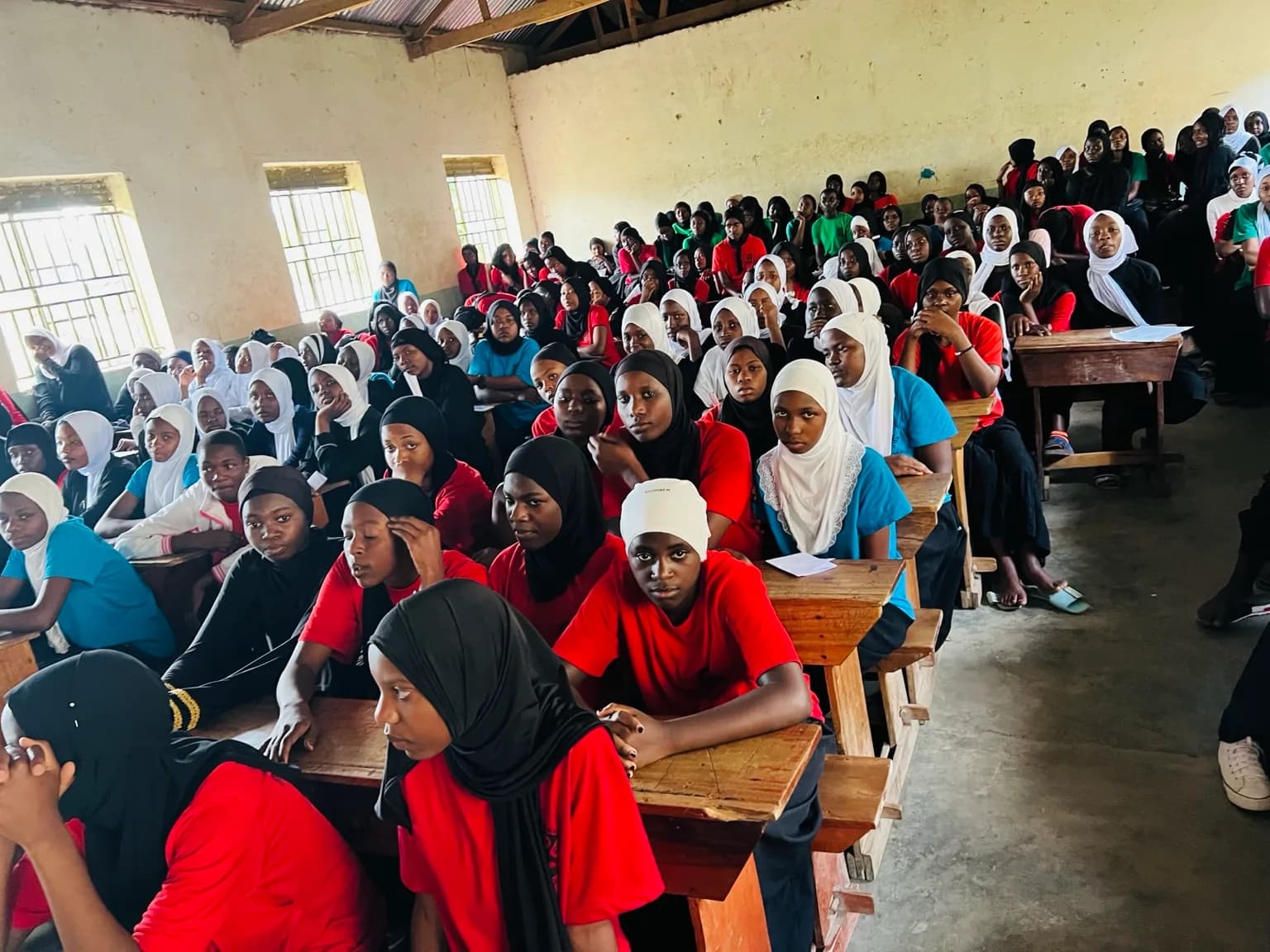
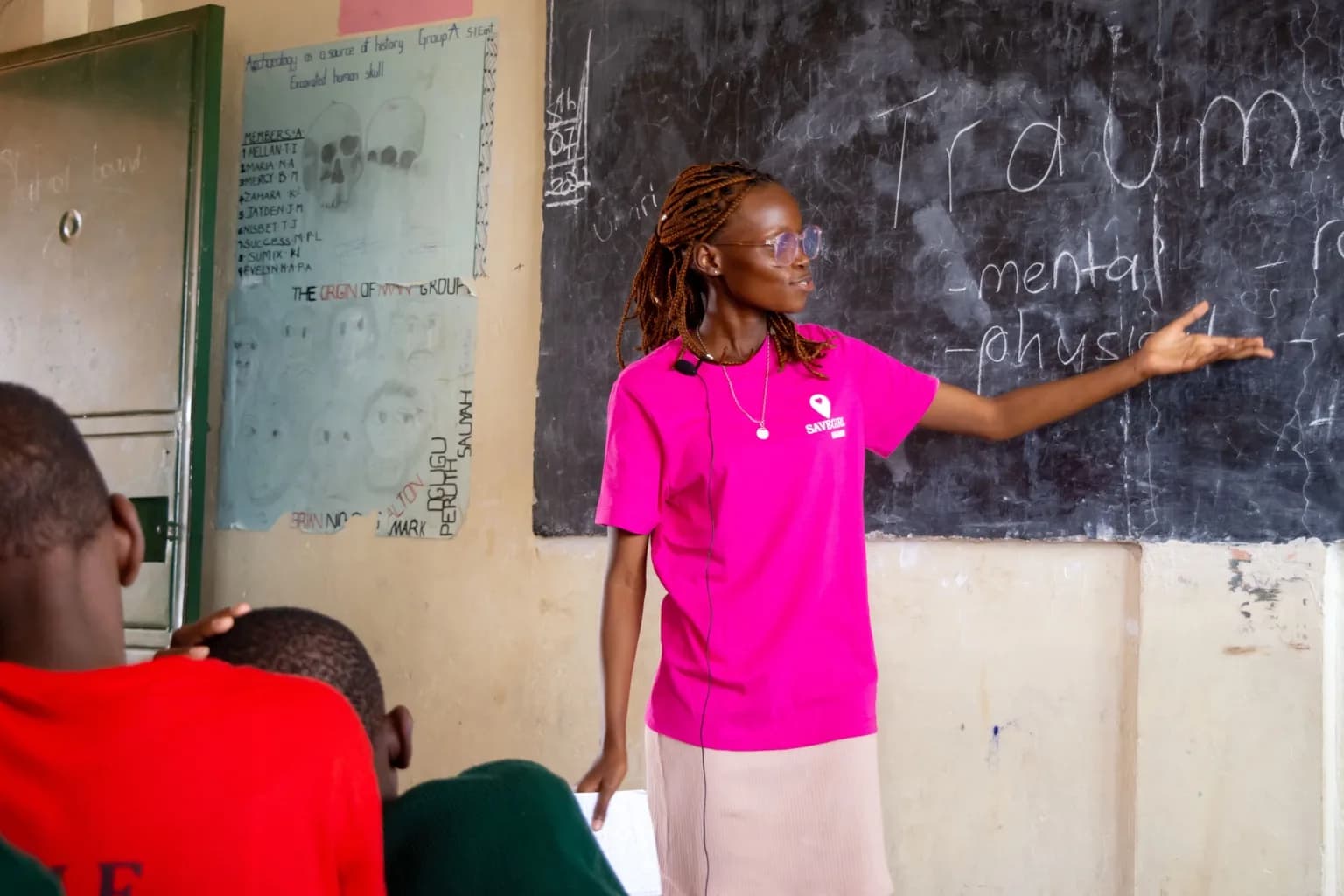
Our health programme, rural medical camps and mental-health workshops operate in the same health system described here. Career resilience cannot replace workforce reform, but it can stop preventable delay from becoming personal defeat.
Clinical practice remains honourable. The professionals who stay on the wards are holding up Uganda's health system. Nothing in this guide argues against them.
THE WHITE COAT IS NOT A PRISON UNIFORM.
Leaving Uganda is not the definition of success. Staying is not the definition of failure. One of the strongest funded routes here is in Rwanda; several important research institutions are in Entebbe. Many outstanding global-health careers have been built without a year outside the region.
Changing direction does not waste a medical degree.
Research is medicine. Public health is medicine. A clean dataset in a district health office is medicine when it reveals an outbreak three weeks early. Policy is medicine written before the patient reaches the ward. Clinical research decides what reaches the bedside at all.
None of these choices must be permanent. A health professional can leave clinical work, build another set of skills and return. Others discover that their largest contribution was always going to happen somewhere beyond the bed where they trained.
A list of opportunities is not a substitute for a functioning health-workforce policy. Both truths must be held at once: the system must be fixed, and you still have a life to move forward.
So check the rules before spending money. Log your hours. Learn one tool properly. Make three calls this week. Apply to several opportunities, not one.
Do not surrender your profession. Expand it.
Do not wait at a closed gate until it becomes your home.
The system may control the post. It does not control every possibility.
Learn. Apply. Research. Build. Move.
A generation that knows its options is much harder to strand.
Bookmark this guide, share it with one health worker who needs it, and report a correction or new opportunity. If you want to help Vantage expand practical career guidance for young professionals, partner or volunteer with us.
Evidence and accountability
Verification and corrections
This guide was checked to 14 August 2026 using official funder, university, government and employer pages wherever available. We opened important application links, separated live calls from historical forms and did not treat a recurring programme as open unless a current source said so. Vantage accepted no payment for inclusion or ranking. Every Watch item still requires a new-call check.
We could not verify:
- a live 2026 intake or allowance for MUII-plus, UVRI, Mildmay or Reach Out Mbuya;
- MU-JHU's current placement capacity, response time or financial terms;
- a suitable open role on IDRC Uganda's recruitment portal;
- APHRC's internship allowance;
- the AU Youth Volunteer Corps stipend amount;
- ITM Antwerp's exact age and experience thresholds and its 2027 dates;
- non-Kenyan eligibility for individual KEMRI-Wellcome calls;
- the next-call dates for every item marked Watch.
Ask before committing time or money.
One official-source inconsistency remains: Global Health Corps' Africa Leadership Accelerator overview says applicants need six months in their current role, while its FAQ says three months. Confirm directly with GHC before applying.
The MRC/UVRI laboratory roles closed at 5 p.m. on 14 August. They were still displayed later that evening, but a visible page is not an open call. Treat them as closed unless the Unit explicitly reopens them.
If you find an error, a closed link or an opportunity we missed, tell Vantage. This guide should be updated—not left to rot.
Vantage Foundation Uganda
Do not miss the next opportunity
Get verified Vantage career alerts
Scholarships, research roles, internships, training opportunities and major updates for Ugandan health professionals.
Take action
Inspired by this story? Here are ways you can help Vantage Foundation Uganda create more impact.